Brazil's ANM opens consultation on mine closure planning
Prepared with AI assistance; sources and original commentary are identified.
Brazil's National Mining Agency (ANM) has opened Public Consultation No. 04/2026 on mine closure plans. Participation runs from 30 October to 29 December 2026. The text remains under discussion. [1]
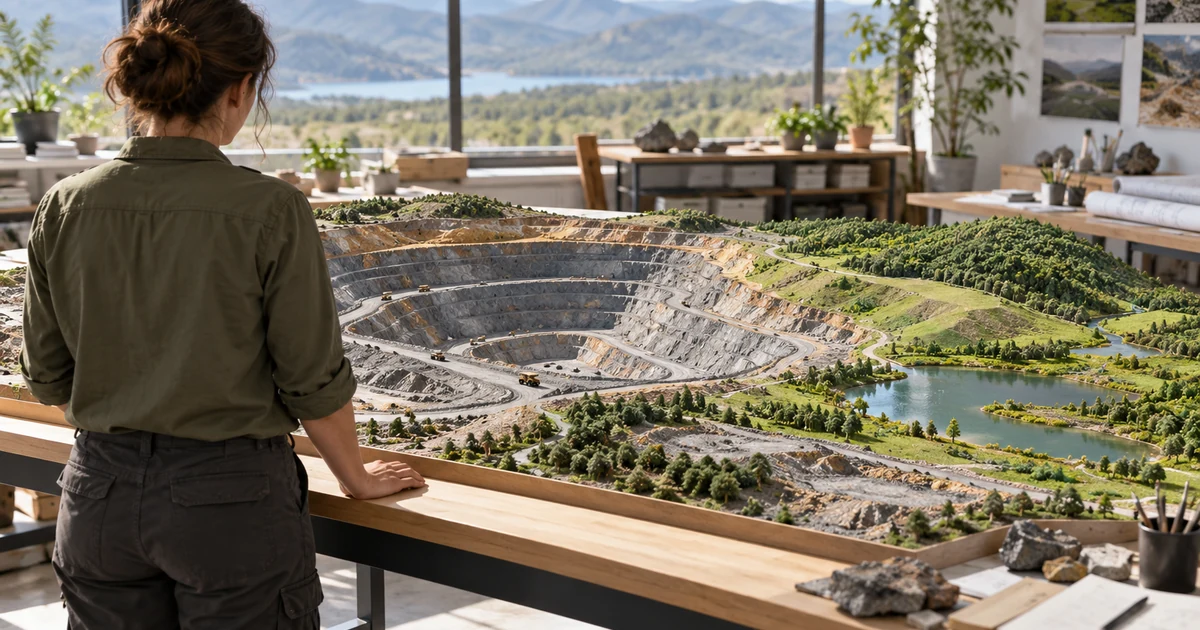
A proposal under discussion
According to ANM, the proposal addresses requirements proportionate to mine complexity, cost estimates and financial schedules. Its announcement also mentions objective success criteria and submitting planning documents in stages. These are features of the announced proposal, without confirmation of final approval. The news release identifies the topics being debated; our reading is limited to that announcement, without a full analysis of the draft or specific projects. [1]
How to follow the participation process
The agency directs contributors to Brasil Participativo, using a gov.br account. Communities, municipalities, professionals and other interested parties may participate. The announcement gives a deadline of 29 December 2026. To find the procedure, readers can start with the participation link in the official announcement cited here. [1]
As editorial guidance, we suggest first reading the document submitted for consultation, recording the point that needs clarification and asking a specific question. A hypothetical example would be to ask how an estimated cost could be monitored over time. This is a newsroom suggestion for organizing the reading, without claiming that an official answer exists for that example or that a contribution is guaranteed acceptance. [1]
Useful questions when reading a plan
The announcement connects closure with future land use and planning from the start of operations. This is the approach announced by the agency, rather than our own finding about conditions at any mine. [1]
When examining a proposal of this kind, we suggest distinguishing objectives, measures and evidence. Describing the future desired for an area is one part of the discussion; explaining how to assess the outcome is another. We also recommend separating the timetable for drafting the plan from the timetable for the proposed actions. These questions are an editorial reading guide, rather than a technical assessment of a particular mine. We have not analyzed individual projects or checked environmental conditions in the field. [1]
Sources and references
Agência Nacional de Mineração — Aberta consulta pública sobre novas regras para fechamento de minas
Claims supported:
- Public Consultation No. 04/2026, running from 30 October to 29 December 2026, with participation through a gov.br account.
- Proposal concerning plan complexity, costs, schedules, success criteria, stages and future land use.
Editorial commentary
Our editorial view is that a consultation can be followed through concrete questions, rather than simply a general expression of agreement. For anyone preparing a contribution, we recommend explaining the perceived problem, setting out the question and identifying the passage it concerns. This structure makes the argument easier to understand, although it cannot predict the authority's decision. [1]
We also suggest following what happens after participation closes: looking for the institutional response, comparing the text discussed with any final version and checking which questions received clarification. This is a newsroom recommendation for critical reading. We do not claim that a final decision has already been made or that the announcement establishes the quality of future plans. The distinction between proposal, decision and implementation should remain clear in any update. [1]