Energy and public policy · Original published October 11, 2026 · updated October 12, 2026
Brazil consults on guidelines for hydropower concessions through October 23
This report covers a public consultation in Brazil. It distinguishes a proposal under discussion from a final decree or a decision about a specific power plant.
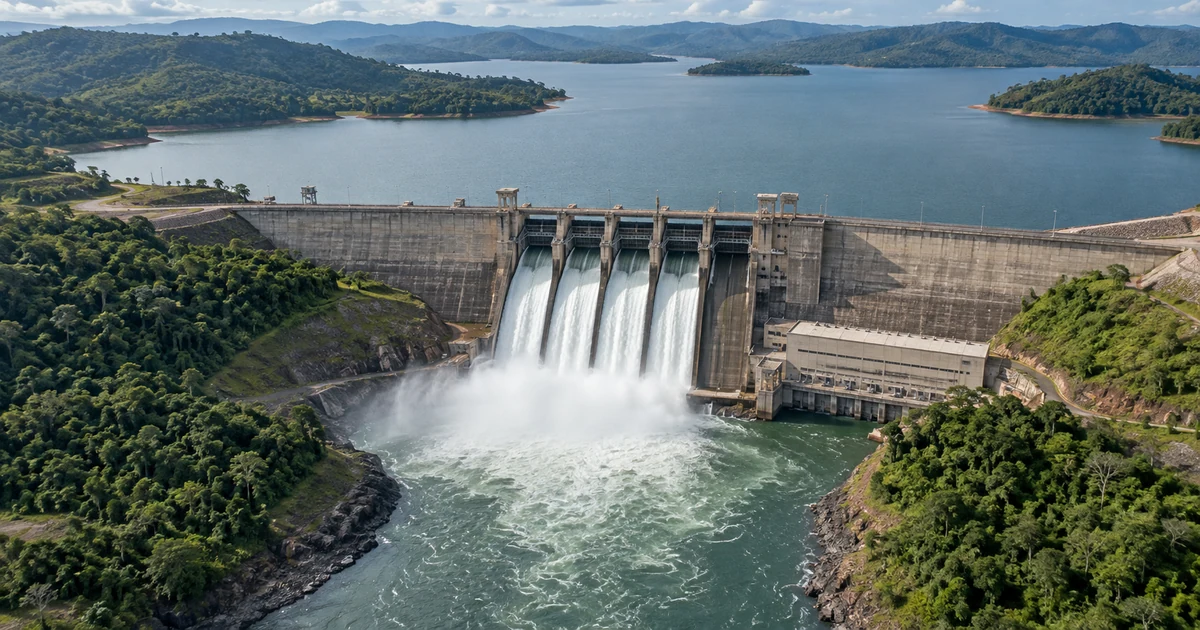
What the consultation covers and its deadline
On September 23, 2026, Brazil’s Ministry of Mines and Energy (MME) announced a public consultation on guidelines for bidding and extending hydropower concessions that have expired or are due to expire. The ministry linked the discussion to Law 15,269/2025 and said contributions would be accepted through October 23, 2026.
The material is intended to inform the preparation of a future decree. Opening a consultation does not mean that every proposed guideline will be adopted, that a final rule has already been issued, or that a concession for a named plant has been decided. The notice alone also does not establish whether household electricity bills will rise or fall.
How to read a consultation document
Before commenting on a draft, identify the version and the exact passage at issue. A clear contribution can distinguish the current wording, the question it raises, a suggested change and the reason for that suggestion. The MME notice directs interested participants to its public-consultation portal and Brasil Participativo; check the ministry’s page for the procedure and deadline.
Submitting an opinion is not the same as having it accepted. Keep a copy of the material consulted and distinguish a public contribution from the ministry’s later analysis or a rule that may eventually be issued. ConverteArq did not submit a contribution on behalf of readers.
A hypothetical technical question
Imagine an association trying to understand how a proposed guideline would address oversight of a concession. It could cite the relevant item and ask what information would be made public so that the oversight could be checked. This is a fictional example; it does not describe a real association or add a claim to the draft.
Assessing economic effects would require a study with defined assumptions, data and scope. A consultation about guidelines, by itself, does not show that an electricity bill will change. When sharing the notice, include the deadline and source, and keep the stages separate: consultation, review of contributions and publication of any final rule.
Sources and verification
The official MME notice was checked on October 19, 2026. It describes a consultation announced on September 23 and lists October 23, 2026 as the contribution deadline. This article does not report a final decree.
ConverteArq’s commentary
A public consultation can make technical questions visible before an agency settles on a rule. Its value does not depend on predicting a tariff outcome or the future of a particular plant. A precise contribution can help clarify what a proposed guideline is meant to regulate and how it could be monitored.
Our editorial view is that coverage should make the procedural stage clear. We did not send an opinion or document, and we do not present the draft as a decision. Naming the passage, framing a question and distinguishing a suggestion from an adopted rule make it easier to follow the process without promising an individual economic effect.