Technology and transport · Originally published October 12, 2026 · translated October 19, 2026
KC-390 Millennium: how sensors, controls and cargo calculations fit together
A Google Trends related query observed on October 12, 2026, connected “ministro” with “embraer c-390 millennium.” That observation motivated this guide; it does not establish why searches rose or imply a political connection. The article reads Embraer’s product description as manufacturer information, not as an independent test.
What the manufacturer describes
Embraer’s KC-390 Millennium product page describes avionics, fly-by-wire flight controls and displays that combine enhanced-vision features. It also presents a cargo-handling system with different configurations and a protected station from which a loadmaster can operate the system. These are the manufacturer’s descriptions; ConverteArq did not inspect or test an aircraft.
The page also names Continuous Computed Drop Point (CCDP). Embraer says the algorithm uses altitude, speed and wind to calculate a release point for an air-delivery mission, with manual or automatic release options. This explanation does not reproduce operational procedures or assess performance in any specific conditions.
Three questions for reading a technical description
Separate three questions: what information is shown to the crew, which system receives commands, and what task is being described? This prevents sensors, screens, controls and cargo from being grouped under a vague label such as “intelligent aircraft.” Components have distinct functions, and a product name alone does not explain them.
For CCDP, the inputs listed by the manufacturer help identify the problem the system is intended to address. They do not reveal the accuracy achieved in a particular situation. That claim would require a result with a method and stated conditions. This guide reports no precision figure, performance comparison or test conducted by ConverteArq.
A checklist for comparing technical documentation
When reading a product presentation, record the exact feature name, the function attributed to it and who published the information. Add a separate column for questions the document leaves unanswered. Price, delivery schedule, contracted configuration and independent assessment are different questions; this page is not treated as a current purchase or delivery announcement.
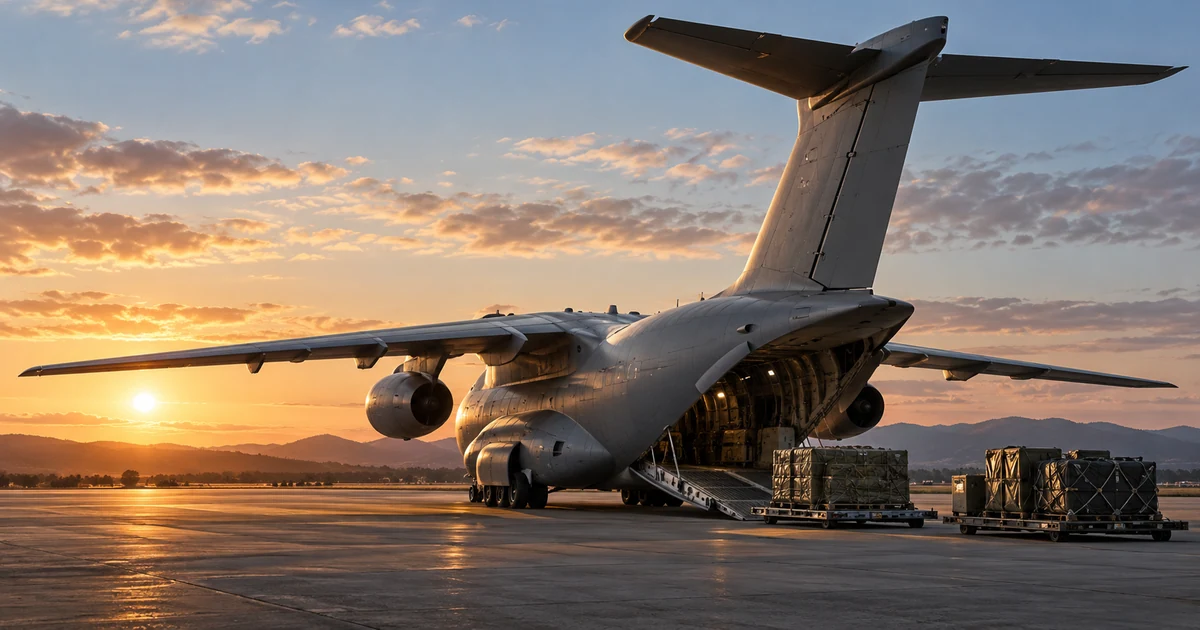
A fictional example: two product descriptions both use the word “automation,” but one means displaying information while the other means carrying out a task. Before comparing them, write down each claim and the evidence offered. The example teaches how to frame a question; it does not establish equivalence between aircraft. The cover is a generic AI-generated illustration, not a real aircraft or cockpit.
Source and verification
The official Embraer product page was rechecked on October 19, 2026. Its statements are attributed to the manufacturer; no independent test or performance result is claimed.
ConverteArq commentary
Aviation technology is easier to understand when each function is explained separately and the source of each claim is clear. Product language can sound like an overall judgment of superiority, but a sales description does not automatically provide an independent comparison. We therefore retain the system names and attribution to Embraer, without making performance rankings we did not verify.
It is also useful to distinguish inputs from measured outcomes. Knowing that a calculation considers wind does not show its error under every possible condition. The same distinction applies to software in many products beyond aviation. This guide gives readers concrete questions for evaluating technical documentation without turning a search trend into a contract, test or political decision.