Technology and AI · Main source published October 1, 2026.
Project Suncatcher: an orbital prototype studies AI computing conditions
The October 1 announcement describes an experimental step. Contact with a prototype is not a commercial service or a model benchmark.
Editorial selection from official sources. This article does not claim the subject appeared among the 30 trending searches.
A research step announced by the company
On October 1, 2026, Google said a Project Suncatcher prototype developed with Planet had been sent into orbit on SpaceX’s Transporter-18 mission. The announcement described initial contact and expected operation, and said the team would investigate how TPU hardware handles temperature, radiation and physical stress. Google frames AI computing in space as a long-term possibility. This article does not describe a commercial data centre, a service available for purchase or an independent result. Operational details reported here come from the project sponsor.
From prototype to the question it can answer
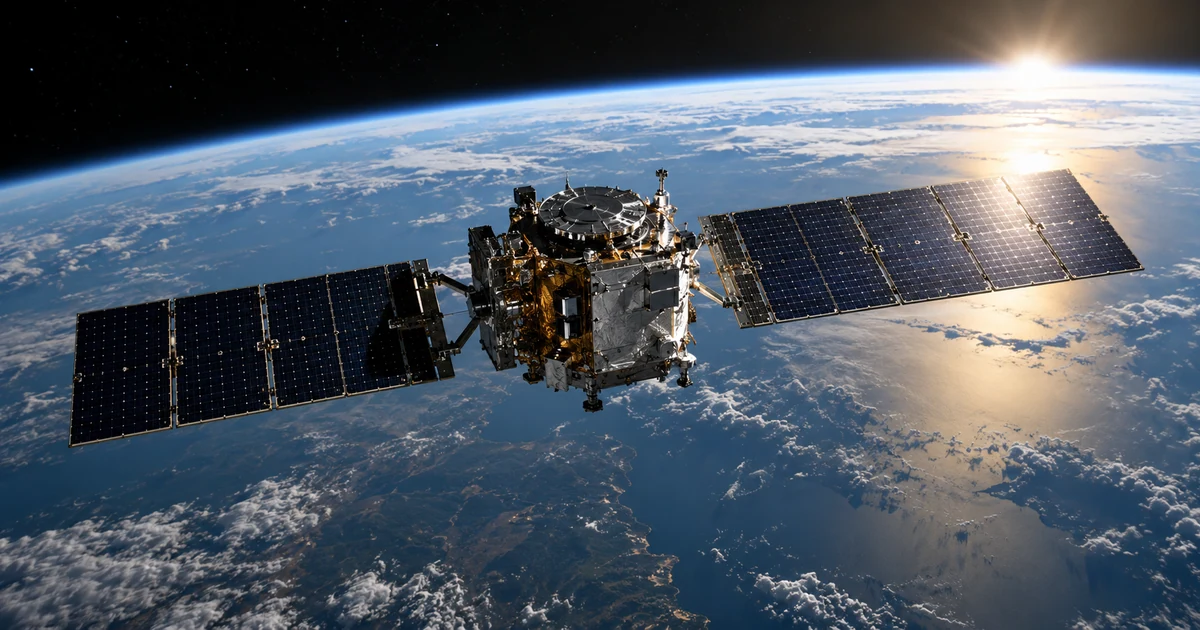
An experiment turns a broad idea into specific questions. In this case, it helps to distinguish whether equipment survives launch, how it behaves in orbit and whether it can sustain a useful task. A positive result in one stage does not automatically answer the others. The cover is an AI-generated artistic concept of a satellite in orbit; it does not represent the prototype’s real circuit or engineering design. To assess later findings, look for the component observed, the duration and the conditions. A launch image alone cannot establish processing capacity, energy efficiency or a system’s readiness at scale.
A hypothetical example of interpreting a result
Suppose an experimental project reports that it received a signal from equipment after launch. That would confirm communication in that scenario, but would not by itself show that a service can run continuously for many users. This is a conceptual example, not an additional Project Suncatcher result. A complete interpretation would identify the task, conditions and limits of each observation. It would also be wrong to turn the proposal into a numerical environmental benefit without a supporting study. This coverage does not invent radiation, speed or power measurements. The next meaningful step is documented results whose scope supports the conclusion.
Sources and verification
Sources checked on October 12, 2026. The commentary is an editorial interpretation; fictional examples are identified in the text.
ConverteArq commentary
We think the research deserves attention because it tests difficult questions under conditions unlike those on Earth. Coverage becomes less precise when it turns the project’s ambition into capability already delivered. A prototype can produce useful information even if it does not establish commercial viability. Explaining which stage is being tested helps readers follow progress and limits without relying on a dramatic launch image.
Future results should be judged by what they actually allow us to conclude. Initial communication, a component’s stability and operating an application are different kinds of evidence. A proposed infrastructure is not an AI-model benchmark. Keeping those categories separate makes it possible to discuss the project’s technological significance while waiting for evidence about scale, cost and environmental effects.